
1. Understanding Thickness Measurements
Common Units and Conversions
Plastic film thickness is measured in several different units depending on region and industry. The most common units are: microns (µm), millimeters (mm), mils (thousandths of an inch), and gauge. Key conversions: 1 mm = 1000 microns; 1 mil = 0.001 inch = 25.4 microns; 1 gauge = 0.01 mil = 0.254 microns. In Asia, microns and millimeters are standard. In North America, mils are commonly used. Understanding these conversions helps you compare quotations from different suppliers accurately.
Single-Layer vs. Double-Layer
Plastic bag thickness always refers to the thickness of a single layer of film, not both walls of the bag combined. For example, a 20-micron flat bag has 20-micron thick walls, meaning the bottom seal area has two layers totaling 40 microns. This is a common source of confusion, especially when measuring bag thickness with calipers - always measure just one layer, or divide your measurement by two.
Tolerance and Uniformity
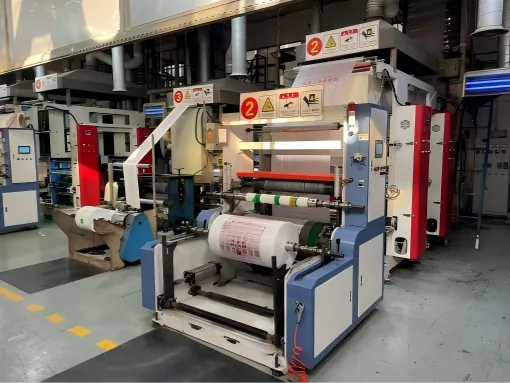
Plastic film produced by blown film extrusion has some natural thickness variation. A tolerance of ±10% is generally considered standard for the industry. Quality manufacturers tightly control their process to minimize variation, but perfect uniformity is physically impossible. Large variations beyond the standard tolerance indicate poor process control and can lead to weak spots and premature bag failure.
2. Thickness Recommendations by Application
Light Duty: 8-20 microns (0.008-0.02mm)
This thin range is for lightweight applications where cost efficiency is paramount. Typical uses include: produce bags for fruits and vegetables (8-12µ), garment and dry cleaning bags (10-15µ), small trash can liners (15µ), and general lightweight packaging (15-20µ). These bags are designed for low-weight items and single-use applications where economy is the primary concern.
Standard Duty: 20-30 microns (0.02-0.03mm)
This is the workhorse thickness range for general-purpose bags. Applications include: household kitchen trash bags (20-25µ), office waste bins (20µ), retail shopping bags (20-25µ), general merchandise packaging (20-30µ), and courier/mailer bags (25-30µ). HDPE at these thicknesses offers excellent strength-to-cost ratio for most everyday applications.
Medium-Heavy Duty: 30-50 microns (0.03-0.05mm)
Medium-heavy thickness bags handle more demanding commercial and light industrial applications. Uses include: restaurant and foodservice waste (30-40µ), commercial building trash cans (35-50µ), warehouse and logistics packaging (30-40µ), moving and storage bags (35-45µ), and industrial parts packaging (30-50µ). LLDPE is often chosen at these thicknesses for superior tear resistance.
Heavy Duty: 50-100 microns (0.05-0.1mm)
Heavy-duty bags are built for tough industrial applications. Common uses include: industrial waste bags (50-70µ), construction and demolition debris bags (60-100µ), chemical and hazardous material packaging (60-80µ), heavy parts and equipment packaging (50-100µ), and container liners (70-100µ). LLDPE is the material of choice here for maximum toughness.
Extra Heavy Duty: 100+ microns (0.1mm+)
Bags thicker than 100 microns are for specialized heavy-duty applications where extreme strength is required. Examples include: machinery covers and protective wrapping, heavy construction waste, secondary containment liners, and agricultural silage bags. These are usually custom-engineered products with application-specific thickness and material specifications.
3. How Material Affects Thickness Requirements
Same Thickness, Different Strength
Thickness alone does not determine bag strength - the material matters just as much. A 20-micron LLDPE bag is significantly stronger and more puncture-resistant than a 20-micron LDPE bag. Understanding the strength characteristics of each material helps you choose the optimal thickness-material combination for your needs.
HDPE: Maximum Strength per Micron
HDPE offers the highest stiffness and tensile strength of the common PE materials. It's the most efficient choice when you need good strength at minimum thickness and cost. HDPE bags feel crinkly and firm, and they resist puncture well. The main limitation is lower tear resistance and elongation compared to LLDPE.
LLDPE: Toughest Overall Performance
LLDPE stands out for its exceptional tear and puncture resistance. Its linear molecular structure allows it to absorb impact and resist tearing even when punctured. For applications involving sharp objects, heavy loads, or rough handling, LLDPE provides the best overall performance. You can often use a thinner LLDPE bag to match the strength of a thicker HDPE or LDPE bag.
LDPE: Softness and Clarity
LDPE is the softest and clearest of the three main PE materials. It stretches well and has a nice glossy appearance. However, it has the lowest strength-to-thickness ratio, meaning you need a thicker LDPE bag to get the same strength as a thinner HDPE or LLDPE bag. Choose LDPE when clarity and soft feel are more important than maximum strength efficiency.
4. Finding Your Optimal Thickness
Define Your Requirements First
Start by clearly defining what the bag will be used for: what will go in it, how much it will weigh, whether the contents have sharp edges, and what conditions it will encounter during use and transport. This will give you a clear picture of the performance requirements and help narrow down your thickness options.
Benchmark Against Existing Products
If you're replacing an existing bag or entering an established market, look at what your competitors or similar applications are using. Standard specifications have usually evolved for good reasons - they represent proven performance at a reasonable cost. You can use established benchmarks as a starting point and then fine-tune based on your specific testing.
Test Samples in Real Conditions
The only reliable way to find the optimal thickness is through real-world testing. Order samples of multiple thicknesses and materials, then test them in your actual application. Run load tests, drop tests, and usage simulation tests to see which combination provides adequate performance without unnecessary excess thickness.
Consider Total Cost of Ownership
Thicker bags cost more per bag, but they also fail less often. A bag that breaks costs you more than just the bag itself - you have cleanup time, potential contamination issues, and customer dissatisfaction to consider. Calculate the total cost, not just the per-unit price. Sometimes a slightly thicker, slightly more expensive bag is actually the more economical choice because it eliminates failures.